A storefront perspective on exposure, transmission, and immune resilience
Introduction: Why This Question Keeps Coming Up
In late winter, many customers walk into stores making the same observation: “It feels like everyone is sick.”
Whether the illness is influenza, RSV, a lingering cold, or something else circulating in the community, people are noticing how quickly symptoms move through families, schools, workplaces, and social circles. This naturally leads to broader questions. Not just about what to take once symptoms appear, but about how illness spreads in the first place.
Understanding this process helps customers feel more informed and empowered. It also gives retailers a grounded way to guide conversations without fear, urgency, or confusion.
Illness Has Always Spread — What’s Changed Is Speed
Contagious illness is not new. History shows that viruses and bacteria have always moved alongside people. What has changed is how quickly exposure can happen.
Modern travel, shared indoor environments, and constant movement mean people encounter far more individuals in a single day than they once did. Add to this the reality that many illnesses spread before symptoms appear, and it becomes clear why pinpointing “where it came from” is often impossible.
From a practical standpoint, the key takeaway is simple: exposure is often unavoidable and frequently unnoticed.
Most illnesses follow predictable patterns of transmission. Close contact, shared air in enclosed spaces, and everyday habits such as touching common surfaces all play a role. During colder months, people spend more time indoors with limited ventilation, increasing the opportunity for exposure.
By the time someone realizes they have been around illness, their immune system is often already responding. This is why prevention strategies focused solely on avoidance tend to fall short.
Vaccines, Illness, and the Immune System
Vaccines are designed to interact with the immune system by introducing information that helps it recognize a specific challenge. Once that information is introduced, it is still the immune system that processes it, builds memory, and determines how the body responds.
This applies broadly, whether the conversation involves influenza, Covid, RSV (Respiratory Syncytial Virus), or Pneumonia. Regardless of personal decisions, the immune system remains the active participant in every case.
For this reason, many people, including those who vaccinate, choose to support immune health as a foundational part of their long-term wellness strategy.
Why Immune Readiness Matters More Than Reaction
A common misconception is that immune support only matters once symptoms appear. In reality, immune response begins well before outward signs of illness are felt.
Preparation influences how the body responds, how intense symptoms may become, and how efficiently recovery occurs. This helps explain why two people exposed to the same illness can have very different experiences.
From a natural wellness perspective, immune readiness is about supporting balance and resilience ahead of time, not reacting after the fact.
Customers often wonder why illness seems to affect them more frequently than others. While no single factor explains this fully, patterns do emerge. Chronic stress, inconsistent sleep, nutrient depletion, frequent travel, and seasonal lifestyle shifts all place additional demands on the immune system. Over time, these pressures can reduce resilience, making the body more sensitive to exposure.
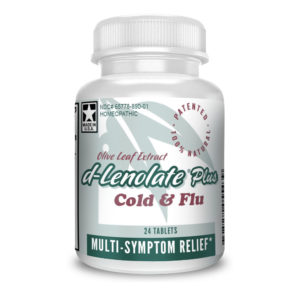
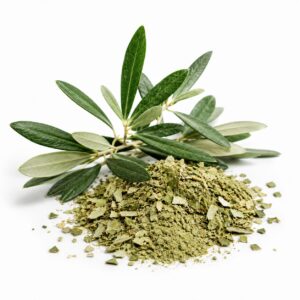
This is why many people benefit from viewing immune support as an ongoing practice rather than a short-term fix. This is also where fast-acting immune formulas play an important role. Many customers are looking for something that helps them feel better quickly, especially when symptoms first appear. Products like Olive Leaf: Cold & Flu are often used for immediate support. It is common for people to report noticeable improvement within the first few hours, and in many cases, symptoms feel largely resolved by start of day two.
What is often overlooked is the importance of continuing immune support even after symptoms fade. While the body may feel better, the immune system is still actively working to restore balance and resilience. Continuing support helps reinforce that recovery process rather than stopping as soon as symptoms disappear. In this way, short-term relief and ongoing immune rebuilding work together, addressing immediate needs while supporting longer-term immune readiness.
A Naturalistic Perspective on Immune Support
From a natural wellness standpoint, immune support is not about eliminating exposure, because exposure is part of daily life. Instead, it focuses on helping the body respond appropriately when challenges arise.
This perspective applies across approaches. Whether someone chooses vaccines, natural solutions, or a combination of both, immune readiness remains the common denominator that supports overall response and recovery.
Late winter and early spring often create a false sense of security. While days may get longer and routines shift, illness circulation frequently continues during this transition period. Staying proactive during this time helps customers feel more confident and better prepared. For retailers, it is an opportunity to reinforce foundational immune education without fear-based messaging.
Closing Thought
Illness spreads quietly and often quickly. The immune system is what ultimately determines how the body responds.
By understanding how exposure works and supporting immune readiness consistently, customers can move through the season with greater confidence. Retailers can offer guidance that feels grounded, respectful, and empowering.